

We all know the sinking feeling. You are in the middle of a critical Zoom call with a client, sending an urgent assignment, or simply trying to relax with a movie after a long week. Suddenly, the stream freezes, and your phone buzzes with the notification that every Zimbabwean dreads:
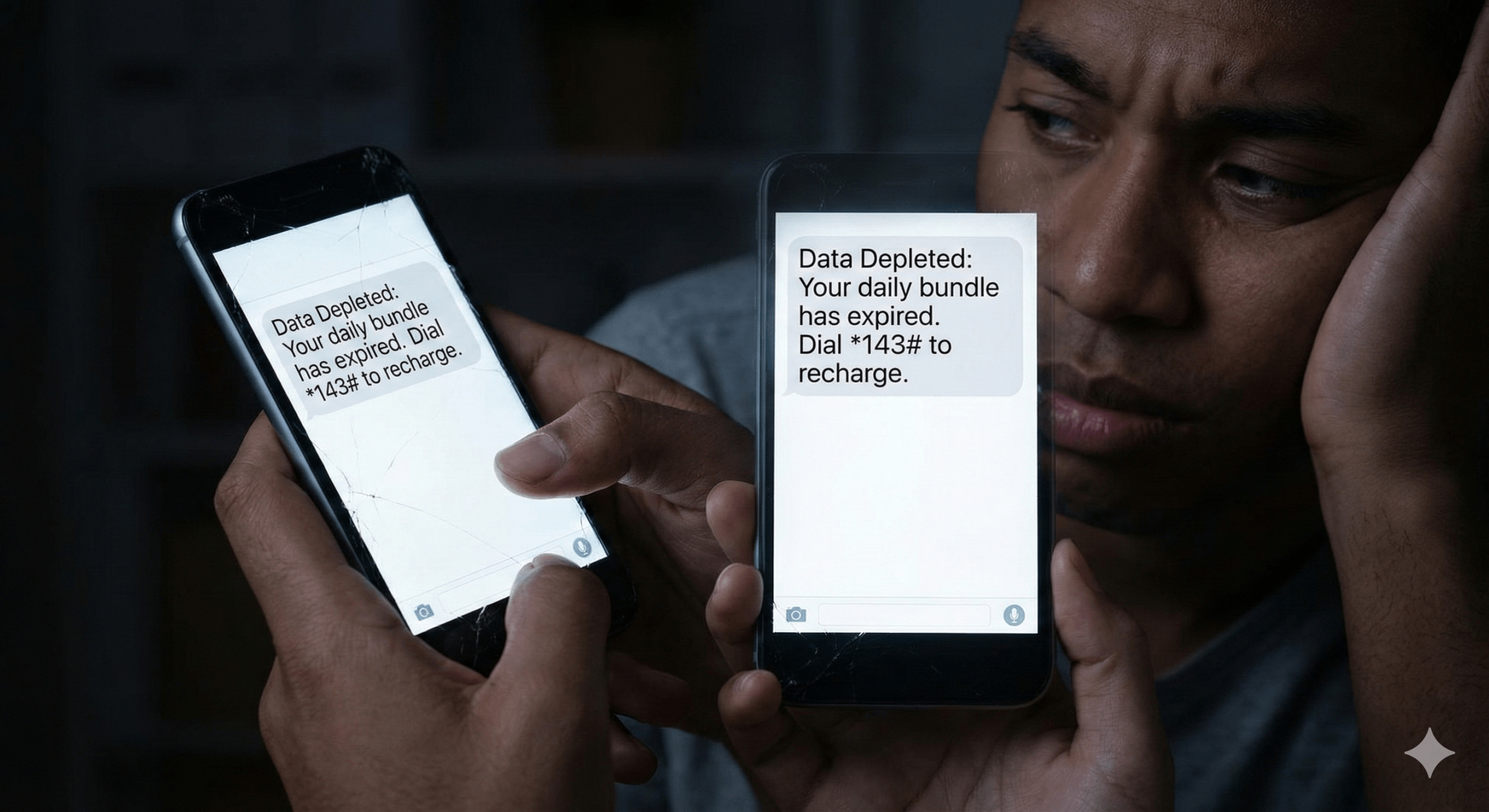
“Your data bundle has been depleted. Dial *143# to recharge.”
For too long, the Zimbabwean internet experience has been defined by “scrounging for bundles.” We buy a dollar here, two dollars there, hoping it stretches through the day. But in an economy where our work, banking, and communications are digital, this hand-to-mouth approach isn’t just stressful—it’s mathematically broken.
The Math: Why “Cheap” Bundles are costing you Thousands
Let’s look at the numbers. The average user buying daily “WhatsApp” and “Social” bundles, plus the occasional “Private Wi-Fi” bundle for browsing, spends between $2 to $3 a day. It feels cheap in the moment because it’s small change.
But do the math: $2.50 x 30 days = $75.00 per month.
For that same $75, you could have had an uncapped, high-speed fibre or 5G connection running 24/7 for the whole family. The “Smart Move” isn’t about spending more; it’s about spending efficiently. To build a modern smart home or run a side hustle, you must transition from “Metered” thinking to “Infrastructure” thinking.
The Titans: Fibre vs. Starlink vs. 5G
The landscape has changed dramatically in the last two years. Here is the breakdown of what you should choose based on your location.
1. The Disruptor: Low Earth Orbit (Starlink)
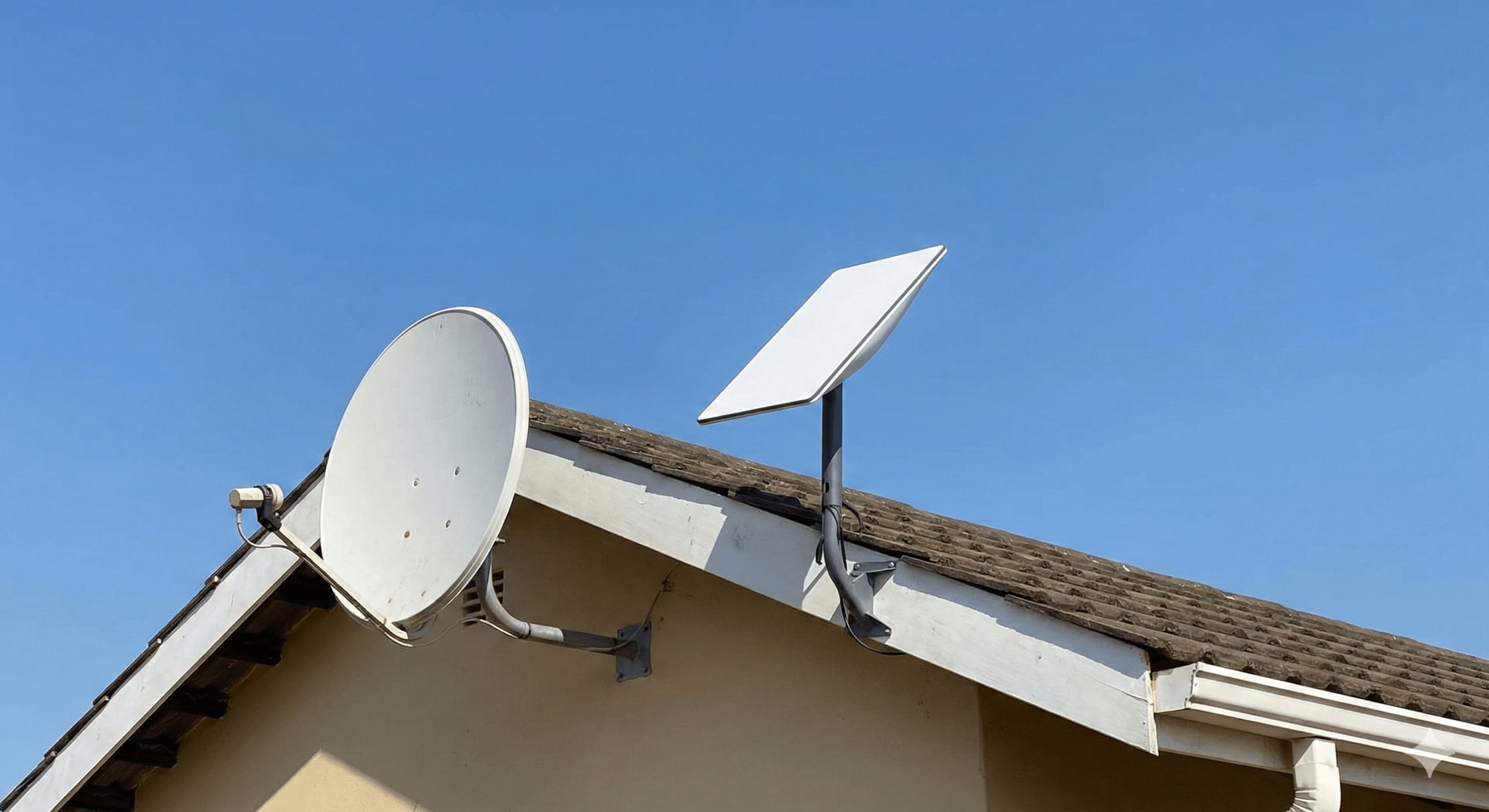
If you live in an area where ADSL cables were stolen years ago and Fibre trenching hasn’t reached yet (like parts of Ruwa, Norton, or Harare South), LEO satellite is your savior. Unlike the old, slow VSAT, this is low-latency internet suitable for gaming and video calls.
- Pros: Works literally anywhere with a view of the sky. Immune to local cable theft. High speeds (100mbps+).
- Cons: Higher upfront hardware cost. Requires a clear view of the sky (trees can be an issue).
2. The Reliable Workhorse: Fibre Optic (Liquid/TelOne/Dandemutande)
If you are in a “Fibre Zone” (mostly northern suburbs of Harare, Bulawayo Central, Gweru CBD), this remains the gold standard for stability. Cabled internet is generally more consistent during heavy thunderstorms than wireless options.
- Pros: Consistent latency. Usually cheaper monthly subscriptions for “Uncapped” than mobile networks.
- Cons: Fixed to one location. Installation can take weeks depending on the provider’s backlog.
3. The Speed Demon: 5G Home Routers
Don’t confuse this with the 4G on your phone. Dedicated 5G routers from Econet or NetOne offer fibre-like speeds without the cables. This is perfect for renters who move houses often and don’t want to pay installation fees every time.
The “Hidden” Piece of the Puzzle: Power
You cannot talk about internet in Zimbabwe without talking about ZESA. The most common complaint we hear is: “I paid for Wi-Fi, but I can’t use it because the power is out.”

The Solution: The Mini-UPS.
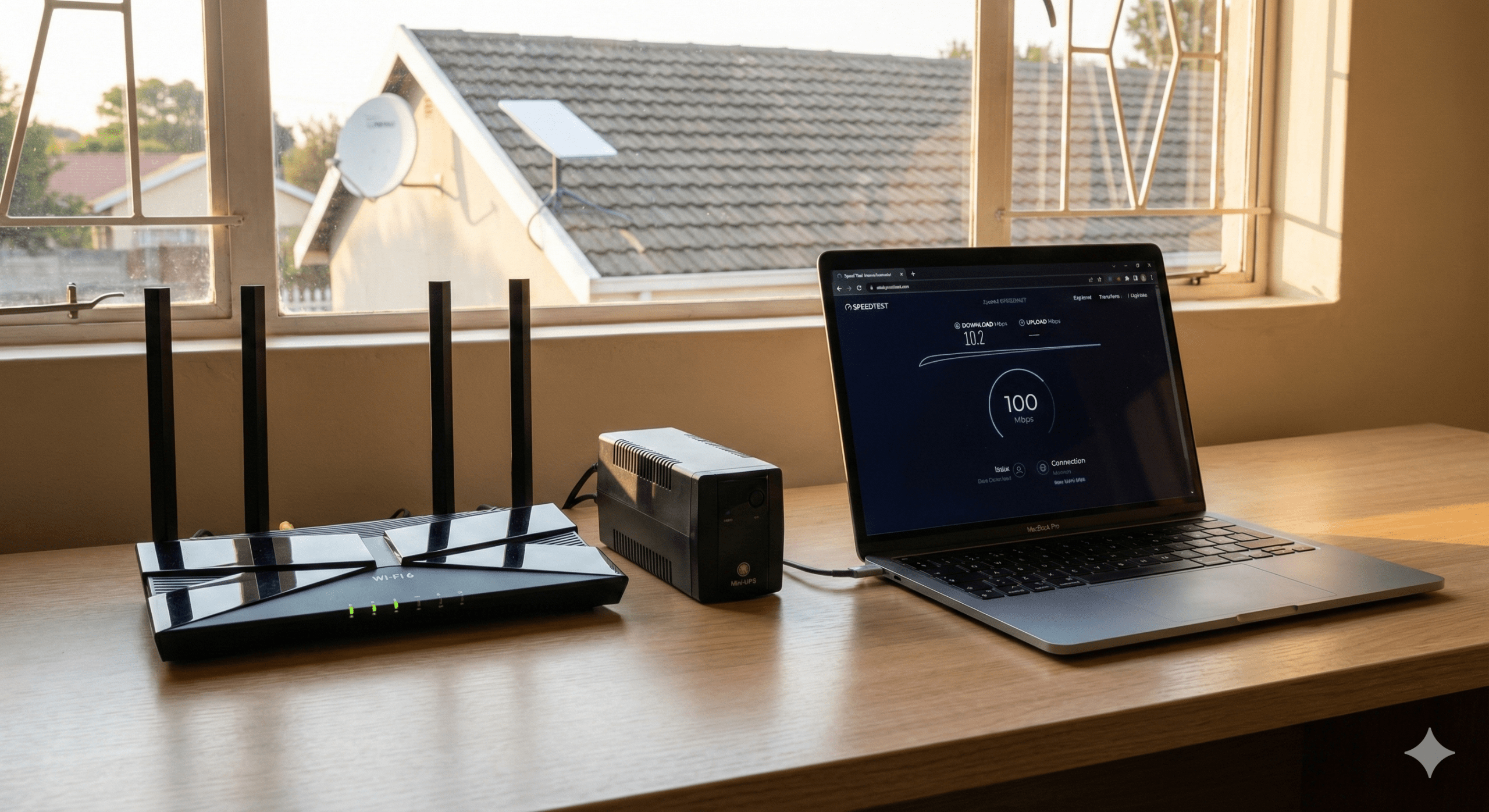
For between $25 and $40, you can buy a small DC-to-DC UPS. This little device sits between the wall socket and your router. When ZESA goes, the Mini-UPS keeps your router powered for 4 to 8 hours. Since most fibre and LTE towers have their own battery backups, your internet stays on even when your lights go off.
The Verdict: Making the Smart Switch
To truly upgrade your life, you need to view connectivity as a utility, not a luxury. Stop calculating how many megabytes a YouTube video will consume.
Here is your Action Plan for this week:
- Audit your EcoCash/Bank statement: Add up every $1 and $2 bundle you bought last month. The total will shock you.
- Check Coverage: Ask neighbors which service (Fibre or 5G) is stable in your specific street.
- Buy a Mini-UPS: Before you even upgrade your internet, secure your power.
A smart home starts with a stable connection. Once you have that, the world of online learning, remote work, and digital entertainment opens up completely.
