








To understand the new wave of smart living in Zimbabwe, we shouldn’t just look to Silicon Valley—we should look at our own rooftops and wallets. The “quantified movement” here isn’t about counting steps on an Apple Watch; it’s about counting the volts in our solar batteries and the cents in our USD savings accounts.
As we navigate an economy defined by shifts and shocks, the old way of doing things—waiting for the grid to turn on or keeping cash under the mattress—is no longer viable. “Sitting is the new cancer,” Tim Cook once said. In the Zimbabwean context, waiting is the new risk.
The average Zimbabwean household now acts as its own power station. But are you running yours efficiently? Just as a smartwatch tracks your health, you need to track your energy.
So long as there is innovation, there is always hope… and so long as there is smart planning, there can be financial freedom.
ZIMSMART EDITOR
Before you click away, disappointed that I brought up something as practical and boring as energy management, hear me out. My intent is not to crush your spirits, but to empower your daily life.
The Energy Equation: Moving Beyond Survival
The average 5kVA solar system owner loses 20% of their power to “phantom loads” every month, according to recent data. That power comes at a cost that’s opaque, because we can’t see it directly on the inverter screen.
It’s quite the statement to make, and one that requires some thought. We are essentially saying that if your battery levels are shaken by a cloudy day, you need better management, not just more panels.
Also Read: 5 Solar Mistakes Most Harare Homeowners Make

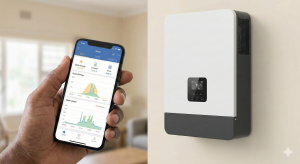
To its detractors, the idea of “energy independence” might look like an illusion—or a way to sugarcoat the crisis. But for those doing it right, it is a lifestyle upgrade.
- Take an appliance audit. According to recent tests, older fridges consume 60 to 70 percent more power than modern inverter fridges. Why not upgrade that first?
- Stick to a charging routine. It’s tempting to leave devices plugged in 24/7, but battery experts emphasize the importance of unplugging once full to save inverter load.
- Be intentional about usage. If ironing is a heavy load, make it a priority to do it only when the sun is shining, no matter how crazy the schedule gets.
The truth, of course, is that small habits compound into massive savings over time.
A recent consumer report proposed, amongst other detail, various standards of efficiency criteria ranging from voluntary checks to comprehensive audits conducted by qualified solar installers.
Financial Fitness: Making Your USD Work
To its detractors, the idea of “saving money” in Zimbabwe might look like a risk. But the truth is, financial tools have evolved, and keeping hard cash idle is a missed opportunity.
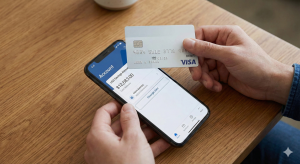
We need to move from “hiding money” to “growing wealth.” This means looking at the new high-interest USD savings accounts from local banks that offer real returns. The successful saver will be given a secure future and peace of mind.
Coverage: The Top 5 USD Savings Accounts in Zimbabwe Reviewed
We like the idea of digital assets—it’s nervy—but the combo of global access, very low fees, and your portfolio looking healthy smashes the old “mattress banking” records.
This is reflected in the basic idea of “Diversification.” By shooting for different investment baskets, you protect yourself from local shocks.
Local banks have been less active than international fintechs on the innovation front, but have joined the race—going as far as hiring experienced tech teams to build better apps.
Here’s what we know – and don’t – about Tech’s Novel Use.
- Data is the new gold for the Zimbabwean freelancer.
- Starlink’s potential entry could spell disaster for high-priced local ISPs.
- The smart user is on guard against phishing scams that exploit the lack of tech literacy.
1. There is always the New Project, the New Opportunity.
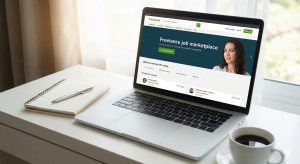
Even though platforms like PayPal and Triaba act internationally, they are accessible to us. We have been predominantly focused on local limitations, rather than engaging with global opportunities.
It’s clear that the digital economy is an attempt to now get the attention of the world’s workforce. And if the platforms follow through, Zimbabweans are ready.
Success isn’t about the end result, it’s about learning. Whether it’s figuring out the right gel battery or finding a bank account that pays interest, these decisions compound.
2. To be successful, follow your passion and see where it leads you.

Experts know that there is such a thing as “analysis paralysis.” Don’t be a fool. People who exhibit perfectionism are often fearful of starting their own solar project or investment journey.
Tech companies were comparatively passive when Zimbabwe first went digital. But now, providing advance notice of any changes, they are waking up to our market.
Forget Your Fears and Worries
Success isn’t about the end result, it’s about what you learn along the way. There were a lot of challenges in the past year, but we emerged mostly smarter and more resilient. The contrast in these stories helps to highlight what we’ve learned:
- Light comes from smart planning, not just the grid.
- It’s a blessing to have options in currency and connectivity.
- Smart phones are a massive tool for income if used right.
- Bookmark ZimSmart for your daily guide.
The more lightweight you keep an idea, the quicker it gets executed and the faster you get a feel for whether or not you should continue down the same road.
We’d love to show you how to make a great living using these tools. Subscribe to our newsletter below to be the first to hear when we release our new guides.


